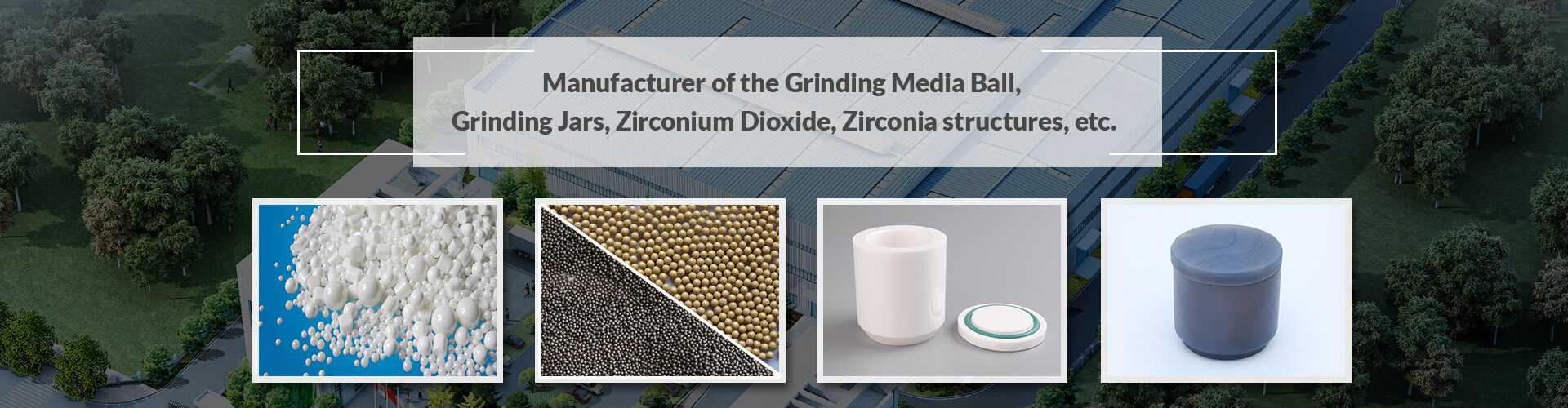
Ceramic grinding ball is an important engineering ceramic, which is a high-tech product. Due to the characteristics of suitable hardness, moderate density, wear resistance, corrosion resistance, low price, and the introduction of metal impurities in metal balls, ceramic grinding balls are widely used in white cement, minerals, ceramics, electronic materials, magnetic materials and The grinding and processing of raw materials in coatings, paints and other industries is a high-quality grinding medium. In the building ceramic industry, the wear efficiency of ceramic grinding balls is higher than that of natural flint and pebbles.
With the reduction of high-quality natural ball stone resources and the high wear rate of ordinary ceramic balls, ceramic grinding balls will be used by more and more ceramic manufacturers. According to different alumina content, they can be divided into medium aluminum balls and medium high aluminum balls. And high-aluminum balls, we generally classify 60%-65% alumina content as medium-aluminum balls, 75%-80% alumina content are called medium-high aluminum balls, and more than 90% alumina content are high-aluminum balls. The high-aluminum balls are further subdivided into 90 porcelain, 92 porcelain, 95 porcelain and 99 porcelain. Due to its extremely high production cost, 99 porcelain is rarely produced in large quantities by large manufacturers, mainly for some special ceramic factories by hand.