
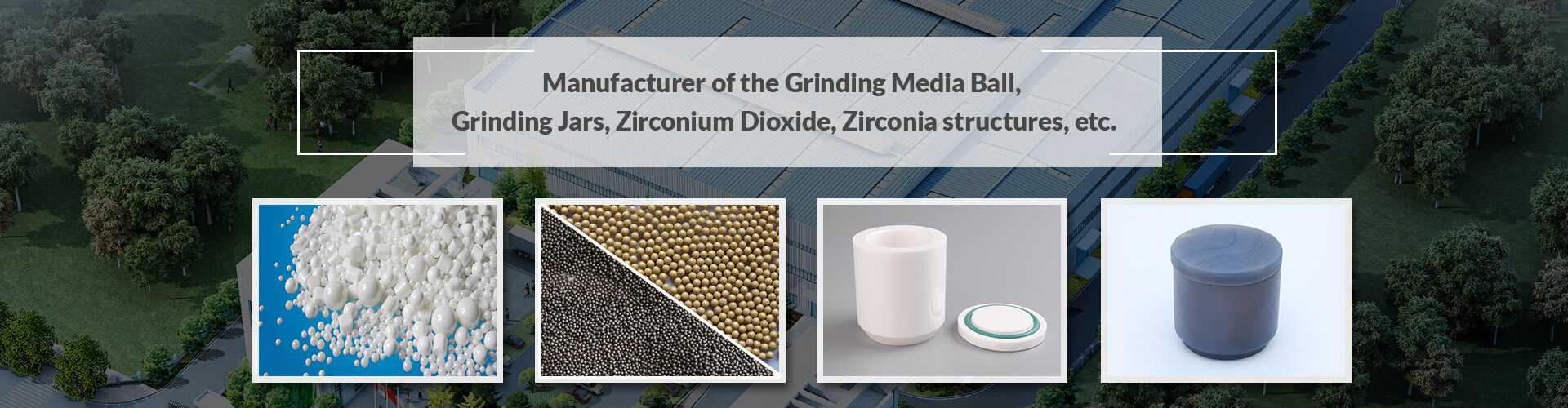
The substance zirconia first appeared. It was extracted from gems by a person and then applied to gas lampshades. Later, this material was applied to refractory materials, coloring and abrasives. In recent decades, people have developed many new products with excellent performance, so their application areas are also expanding.
There are many classifications of zirconia beads, but only the following are really suitable for grinding machines: yttrium stabilized zirconia beads, cerium stabilized zirconia beads, 80 zirconium beads and zirconium silicate beads.
(1) Yttrium stabilized zirconia beads
Since the zirconium oxide content of such zirconium beads is approximately 95%, they are also commonly referred to as "95 zirconium" or "pure zirconium oxide beads". It uses rare earth yttrium oxide as a stabilizer, and uses high whiteness and high fineness raw materials to ensure no pollutants. Such zirconium beads are suitable for sand mills.
(2) Cerium stabilized zirconia beads
Since the zirconium oxide content of this type of zirconium beads is approximately 80%, the cerium stabilized zirconium oxide beads have the highest density among all zirconium series of zirconium beads. Coupled with the characteristics of such zirconium beads, they are especially suitable for polishing.
(3) 80 zirconium beads
The zirconium oxide content of 80 zirconium beads is approximately 80%, so it is also commonly referred to as "80 zirconium". It has better grinding characteristics, making it highly cost-effective. It has been widely used in all walks of life.
(4) Zirconium silicate beads
The zirconia content of zirconium silicate beads is approximately 65%, so it is also commonly referred to as "65 zirconium". The zirconium silicate beads are made by the advanced technology of titration in electrolyte and high-temperature firing and phasing. There are no pores and cavities in the beads. The medium density and hardness are suitable for the grinding of medium and low viscosity slurry.


