
What are mining grinding balls?
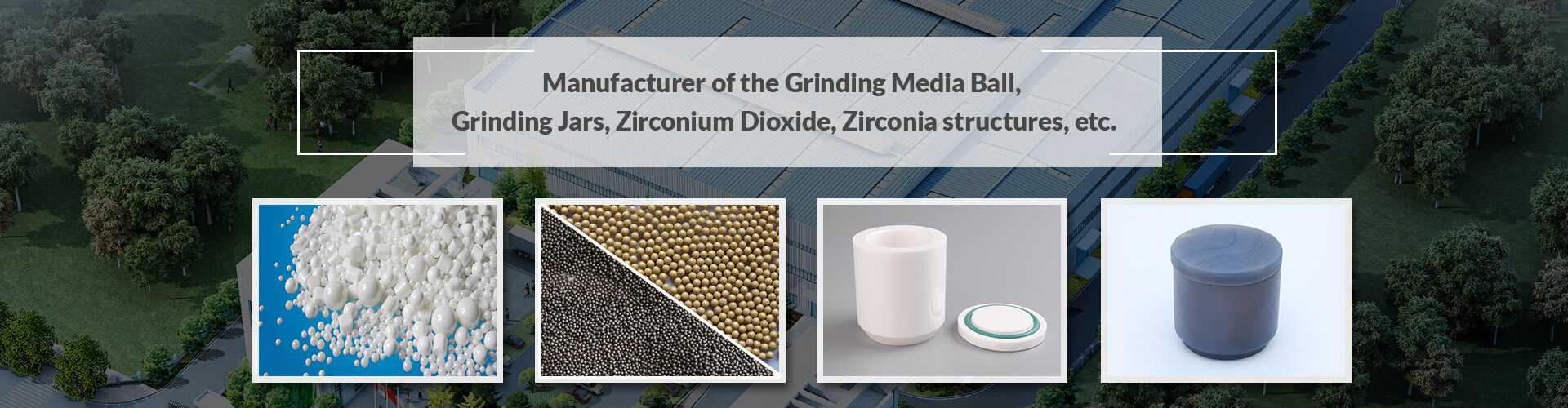
Grinding balls are an important part of the mining industry. They are used to grind minerals, ores, and other raw materials into smaller, more manageable particles. Steel, ceramic, and chrome steel are among the materials used to make grinding balls. They are built to withstand high pressure and wear and tear, making them ideal for use in mining.
The primary function of grinding balls in mining is to reduce the size of raw materials. Because smaller particles are easier to transport and process, this process is critical in the mining industry. Grinding balls are also important in separating valuable minerals from waste materials. The valuable minerals are released and can be separated from the waste materials as the raw materials are ground down, increasing the overall efficiency of the mining process.
Ball mills, which are cylindrical containers that rotate around a horizontal axis, are commonly used to grind grinding balls. The raw materials are ground down inside the ball mill by the grinding balls, which impact and crush the materials as they move around the container. The size of the grinding balls can vary depending on the size of the ball mill and the specific mining requirements.
When selecting grinding balls for a mining operation, several factors must be considered. These variables include the ball mill's size and type, the hardness and density of the raw materials being ground, and the desired grinding efficiency. Grinding balls come in a variety of materials and sizes to meet these varying needs.
In the mining industry, steel grinding balls are the most commonly used type of grinding ball. They are constructed of high-quality steel and are intended to withstand the harsh conditions of mining operations. Some mining operations also make use of ceramic grinding balls. These ceramic balls have several advantages over steel balls, including a lower density and greater resistance to wear and corrosion.


