
What are grinding balls made of?
Grinding balls are essential components used to crush and grind materials in ball mills and other types of grinding equipment. These balls are available in a variety of sizes and shapes, and they are made from a variety of materials depending on the application. Let's take a look at some of the most common materials used to make grinding balls.
Steel
Steel grinding balls are the most commonly used type of grinding ball in the industry. They are long-lasting, inexpensive, and suitable for a wide range of applications, including mining, cement, and chemical industries. Low-alloy steel and high-carbon steel are used to make steel grinding balls. High-carbon steel balls are harder and more resistant to wear, making them ideal for high-impact applications.
Ceramic
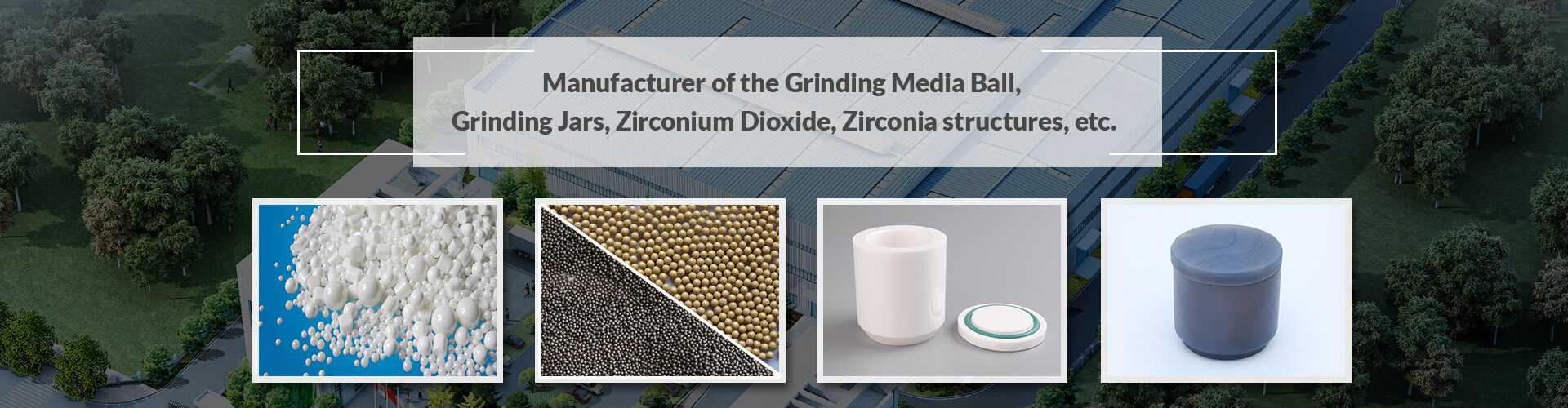
Ceramic grinding balls are also used in grinding processes. Ceramic materials, such as alumina, zirconia, or silicon nitride, are used to make these balls. Ceramic grinding balls are ideal for grinding applications due to their high wear resistance, low density, and high hardness. They are frequently used in the pharmaceutical and food industries where contamination is a concern.
Other materials
Grinding balls can also be made of other materials, such as the mining industry's high-density tungsten carbide. Glass balls are used in some grinding applications, but not as frequently as steel or ceramic balls.
The production of grinding balls is a complex and precise process. The procedure begins with the selection of raw materials. After that, the raw materials are melted and cast into the desired shape. After that, the balls are heat-treated to increase their hardness and wear resistance. The balls are then machined to the desired size and shape.
The materials used to manufacture grinding balls have a significant impact on their quality, wear resistance, and performance. Steel and ceramics are the most commonly used materials, each with its own set of benefits and drawbacks. To produce high-quality grinding balls, the manufacturing process is complex and precise, involving several steps.


