
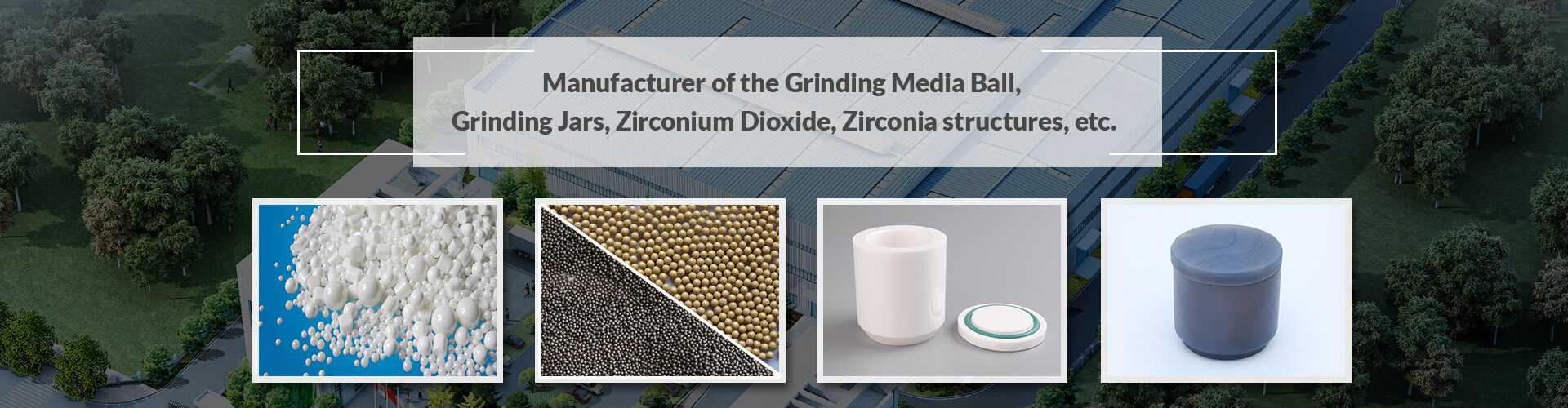
As a special industrial ceramic, zirconia ceramics are used in all areas of life, and the feedback from users on its quality and performance is also very good. Generally speaking, it is also called engineering ceramics, fine ceramics, etc. It is an inorganic nonmetallic material with high temperature resistance, wear resistance and corrosion resistance. Its melting point is as high as 2000 degrees Celsius. It is one of the materials with good fire resistance in nature. It can also display electricity, magnetism, light, Special functions such as sound. Therefore, it can be used in many fields and is a reliable product. In addition to some ceramic parts of different shapes, ceramic rods made of zirconia are also an ultra-common product form.
Its excellent high temperature resistance is used as induction heating tube, refractory material and heating element. Structural parts have sensitive electrical performance parameters and are mainly used in the fields of oxygen sensors, solid oxide fuel cells and high-temperature heating elements. In addition, zirconia is being widely used in fields such as thermal barrier coatings, health care, and refractory materials. Due to its high toughness, high bending strength, high wear resistance, and excellent thermal insulation properties, it is widely used in the field of structural ceramics, as follows: zirconia ball, nozzle, ball valve, micro fan shaft, optical fiber pin, wire drawing Die and cutting tools, wear-resistant knives, light golf clubs and other room temperature wear-resistant parts, etc.
The molding process of zirconia ceramics includes dry pressing molding, isostatic pressing molding, grouting molding, hot die casting molding, casting molding, injection molding, plastic extrusion molding, colloidal solidification molding, etc. Among them, injection molding and dry pressing are widely used.
(1) Injection molding
The grouting process includes physical dehydration and chemical solidification. Physical dehydration removes water from the slurry through the capillary action of the porous plaster mold. The chemical coagulation process is because the Ca2 generated by the dissolution of calcium sulfate on the surface of the gypsum mold increases the ionic strength of the slurry and causes the slurry to flocculate. Under the action of physical dehydration and chemical solidification, ceramic powder particles are deposited and formed on the plaster mold wall.
(2) Hot die casting molding
Hot die casting is to mix ceramic powder and binder (paraffin) at a relatively high temperature (60-100°C) to obtain a slurry for hot die casting. The slurry is injected into a metal mold under the action of compressed air, cooled under pressure, and demolded to obtain a wax blank. The wax blank is dewaxed under the protection of inert powder to obtain biscuit, which is sintered into porcelain at high temperature. The product has good wear resistance, high hardness, high compressive strength and high density.


