
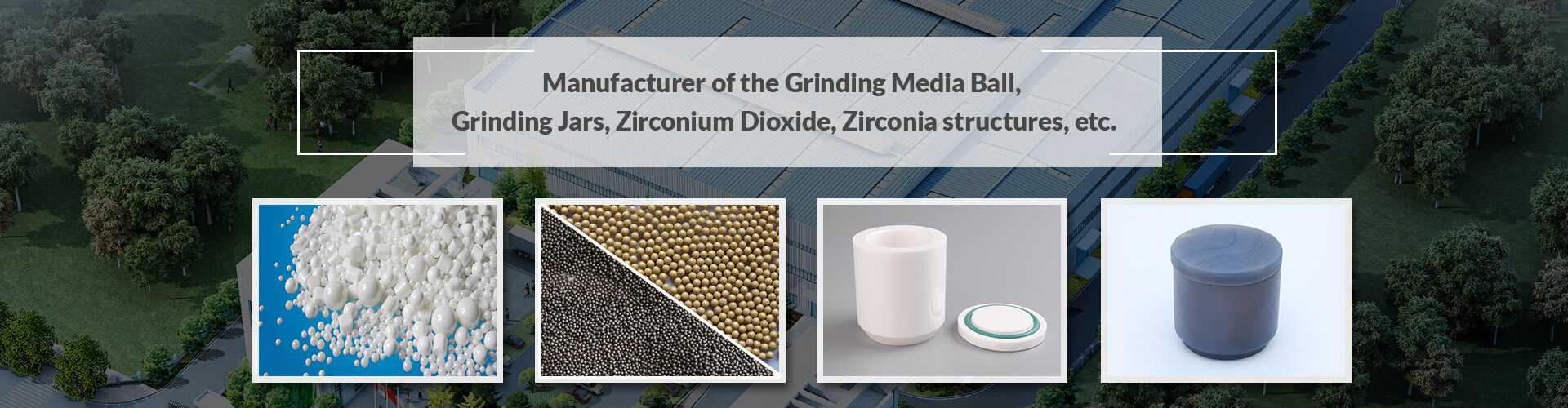
The ball mill jars are tungsten carbide, zirconia, agate, alumina, stainless steel, polytetrafluoroethylene, nylon and other polymers in descending order of hardness.
(1) For the development of hard samples such as metal powder and ores, stainless steel ball mill jars or carbon steel ball mill jars can be used;
(2) Tungsten carbide ball mill can be used for materials with extremely high hardness;
(3) For glass, ceramics and other samples, nylon ball mill, corundum ball mill or zirconia ball mill can be used for grinding, so as to avoid the use of metal ball mills to dope metal impurities into the samples to contaminate the samples, and to prevent the occurrence of discoloration of the samples;
(4) With corrosive samples such as strong acid and alkali, PTFE ball mill jars, polypropylene and ultra-high molecular polyethylene ball mill jars are commonly used, which can be suitable for sample grinding applications in the food, medical and beauty industries that require high sample purity. middle.
Under special requirements, when anhydrous and oxygen-free grinding is required, a vacuum ball mill is selected. The outer layer is a vacuum device composed of 304 stainless steel, and the inner layer is matched with ball mill tanks of different materials. The vacuum degree can reach 0.1MPa. Contact with air during grinding leads to material oxidation and chemical reaction, high-purity grinding and pollution-free grinding.


